
Lagos Property Market Outlook 2026: Trends, Risks and Growth Areas
Lagos real estate continues to evolve in response to infrastructure expansion, population growth, regulatory tightening, and changing investor behaviour. Below is a clear and data-aligned outlook on what property investors, developers, managers, agents, and homeowners should realistically expect in 2026.
1. Suburban Growth Will Continue
Suburban expansion will remain a defining feature of the Lagos property market in 2026. Locations such as Epe, Sangotedo-Abijo, Badagry, and parts of Ikorodu continue to attract buyers due to comparatively affordable land prices, improved road connectivity, and increasing spillover demand from central Lagos. These areas are especially attractive for land banking and phased residential developments.
2. Ibeju-Lekki Will Remain a Major Growth Engine
Ibeju-Lekki will continue to lead long-term growth projections. The operational Dangote Refinery and Lekki Deep Sea Port, proximity to the Free Trade Zone, and continued industrial and logistics activity are sustaining demand for residential, commercial, and mixed-use developments. While infrastructure-led appreciation is gradual, the corridor remains one of the strongest strategic investment zones in Lagos.
3. Infrastructure Will Continue to Drive Property Values
Infrastructure remains one of the strongest value drivers in the Lagos property market. Rail projects, expressway expansions, and coastal road developments are influencing buyer preferences by reducing commute times and improving accessibility. Areas near existing or planned transport infrastructure are likely to record stronger appreciation than disconnected locations.
4. Co-Living and Co-Working Will Expand Gradually
Flexible living and working models will continue to grow, particularly in areas with high concentrations of young professionals, startups, and remote workers such as Yaba, Ikeja, and Surulere. While still a niche segment, co-living and co-working spaces are gaining relevance as rental costs rise and lifestyle preferences evolve.
5. Stronger Focus on Documentation and Compliance
Regulatory scrutiny around land titles, building approvals, and planning compliance will remain a critical issue in 2026. Properties with clear, verifiable titles and proper approvals will be more attractive to serious investors, while poorly documented assets will face increased legal and financial risk. Due diligence will continue to separate safe investments from speculative mistakes.
6. Digital Real Estate Practices Will Become Standard
Digital tools are no longer optional. Virtual inspections, drone footage, verified online listings, and digital transaction processes are increasingly demanded, particularly by diaspora and institutional investors. Developers and agents who adopt transparent and technology-driven practices will enjoy stronger market trust and faster deal execution.
7. Smart and Sustainable Homes Will Command Premium Interest
Smart home features and sustainability elements will continue to appeal to upper-middle and high-end market segments. While not yet mainstream, such features can enhance rental appeal, tenant retention, and resale value in select locations, particularly in Ikoyi, Lekki, and emerging premium developments on the Mainland.
8. Real Estate and Fintech Integration Will Deepen
Collaboration between real estate and fintech platforms will expand in 2026. Fractional property ownership models, digital investment platforms, and mortgage-linked fintech solutions are broadening access to real estate investment, especially for younger and diaspora investors. This trend is gradually reshaping capital inflow patterns into the sector.
9. Rental Demand Will Remain Strong
Rental demand in Lagos will remain robust due to sustained population growth, urban migration, housing supply gaps, and rising construction costs. Young professionals, NYSC members, corporate tenants, and short-let users will continue to drive demand, particularly in accessible and employment-linked neighbourhoods.
10. Key Growth Corridors to Watch in 2026
The most notable growth corridors to monitor include:
- Ibeju-Lekki and the Coastal Highway zone
- Lekki-Epe Expressway and the Sangotedo-Abijo axis
- Epe and surrounding emerging communities
- Badagry Expressway corridor
- Ikorodu and the expanding Mainland growth belt
These locations benefit from a combination of affordability, infrastructure rollout, and long-term urban expansion.
Conclusion
The Lagos property market in 2026 will reward informed, patient, and documentation-focused investors. Infrastructure alignment, regulatory compliance, rental demand, and technology adoption will continue to shape outcomes. Investors who follow the data and position early in credible growth corridors are best placed for sustainable returns.
Wishing you a safe, informed, and strategic real estate investing journey in 2026.
Disclaimer: This information is provided for general information purposes only and is not intended as legal advice. Always consult a qualified real estate lawyer for guidance on property transactions.
Message by Ayobayo Babade Esq, ACIArb (UK), FIMC | Tope Babade & Co (Real Estate Consultants).
Other News

#10NigerianRealEstateNuggets

Ogun State Growth Corridors: Key Areas Driving Real Estate Expansion

Nigeria Real Estate Market Outlook: Growth, Demand & Investment Opportunities

Can You Buy Land in a Government Revocation Area in Lagos State?

Do You Need a Permit to Repaint Your House in Lagos State?

Duties of a Tenant in Nigeria: 10 Responsibilities Every Tenant Must Know
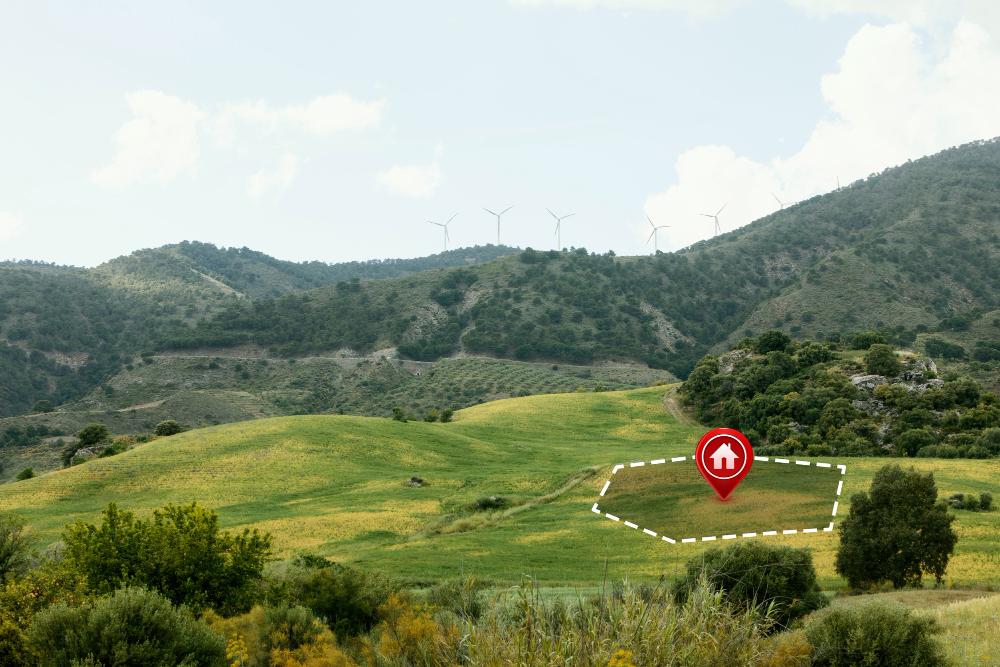
Land Banking in Nigeria: Risks, Rewards, and What Investors Must Know

What Are Your Rights as a Paying Tenant in Nigeria When Your Landlord Sells the House

Nigerian Insurance Industry Act 2025: Compliance Tips for Property Owners

How to Protect Your Land from Land Grabbers in Nigeria

Why Landlords Should Promptly Address Repairs on Rental Property

Why Every Landlord and Tenant in Nigeria Need a Tenancy Agreement

How to Maximize ROI on Rental Property in Nigeria
Get Market Alerts
Don't miss the next big opportunity. Join 2,000+ investors receiving our weekly market briefing.
